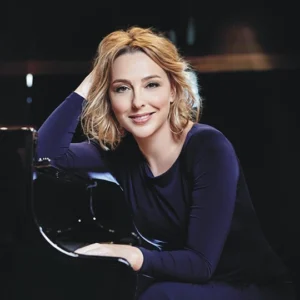
MUSIC AS THERAPY
Before music was considered a form of therapy, Tchaikovsky and Schumann knew it to be an essential remedy for alleviating the terrible effects of depression and bipolar disorder, which affected their lives so completely.
The emergence of Schumann’s piano concerto took place after he recovered from one of those nervous breakdowns, which, since the age of 24, were becoming more persistent. In 1846 he returned to the idea of writing a concerto for piano based on an earlier work, Fantasy for Piano in A minor, to which he added two movements and created one of the pinnacles of piano repertoire.
Modest Tchaikovsky heard what would be his brother’s last composition and told him the symphony was Patetícheskaya, which means ‘passionate’ or ’emotive’, something that has great emotional content. That is what Tchaikovsky achieved in each of the four movements of the work: to alter our mood and take us from sadness to joy, passing through loneliness, melancholy and hope. In addition, this piece is spoken of as an Ethos symphony as it explains in detail the personality and character of the composer. Because of that and because he died nine days after the premiere of the work, it is considered a ‘living testament’ and even a Requiem.